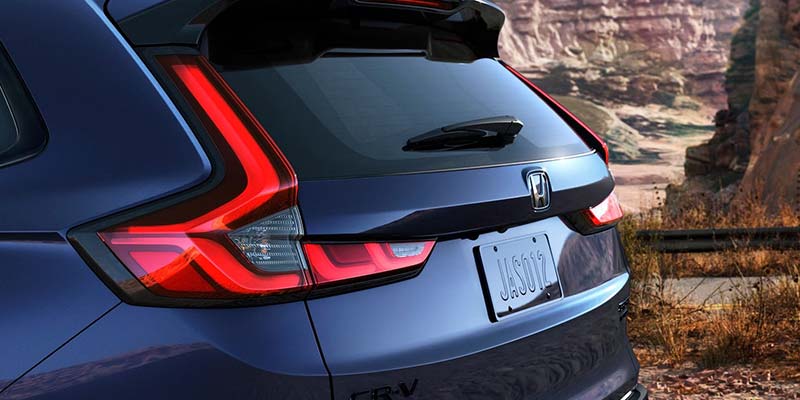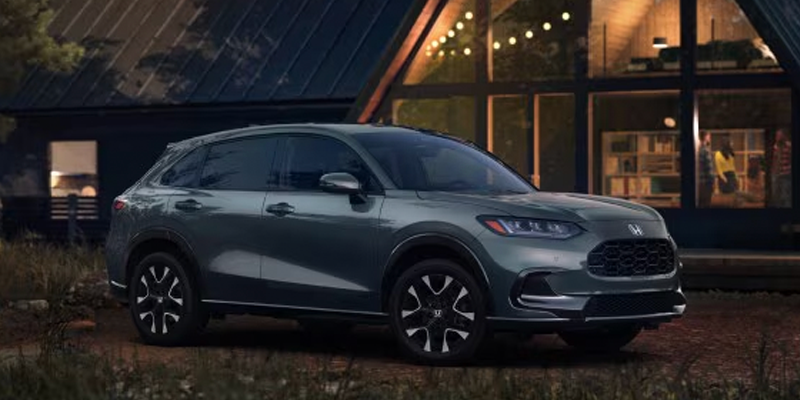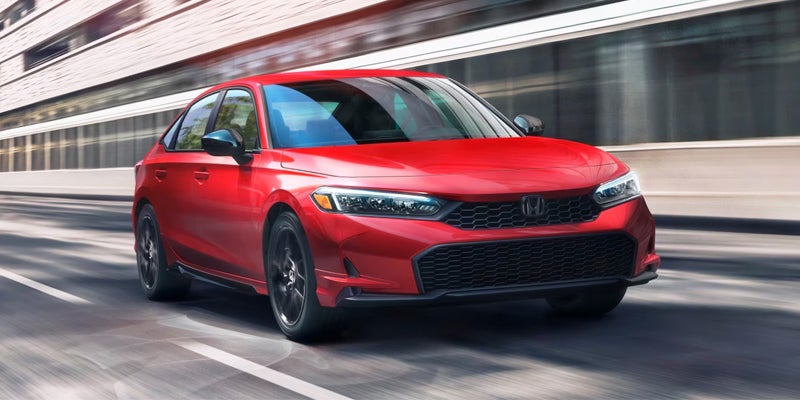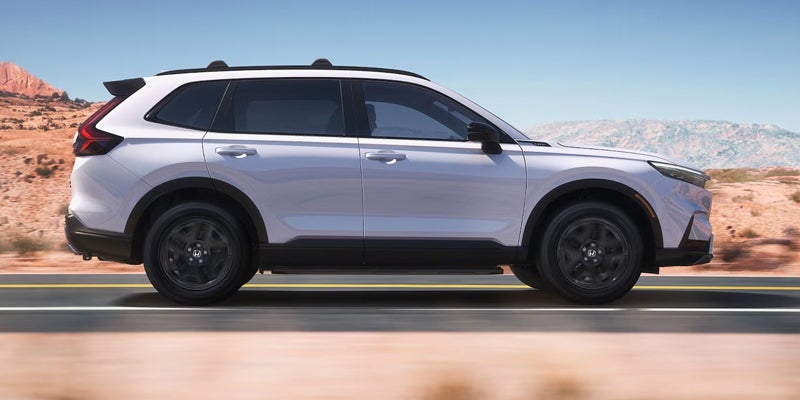

Fall in Tupelo brings changing temperatures, rainy afternoons, football weekends, and more opportunities to travel throughout Northeast Mississippi. Before your schedule fills up with school activities, family outings, and weekend drives, it's a good time to review your vehicle's maintenance needs. Whether you drive a Honda CR-V for everyday errands, a Honda Pilot for family transportation, or a Honda Civic for your daily commute, routine maintenance can help you prepare for changing road conditions. If you're looking for Honda maintenance in Tupelo, MS, this checklist covers several important areas to review before the season changes. Why Is Fall Honda Maintenance Important? Mississippi's fall weather can shift between warm afternoons, cooler mornings, and periods of heavy rain. Wet pavement can affect traction and stopping distances, while shorter daylight hours make properly functioning lights and clear visibility especially important. Seasonal maintenance helps you identify developing concerns and stay current with your Honda's recommended service schedule. You don't necessarily need to replace parts simply because the season has changed. Instead, focus on checking wear, addressing warning signs, and following your owner's manual. Five Areas to Check Before Fall Driving 1. Inspect Your Tires Your tires play an important role in traction, handling, and braking. Before fall driving picks up, check for uneven tread wear, visible damage, and improper inflation. Use the recommended pressure listed on your Honda's tire information label. Also, check your maintenance records to determine whether your tires are due for rotation. If you notice vibration, pulling, or unusual wear, schedule an inspection to determine whether tire service, balancing, or an alignment evaluation is appropriate. For Honda CR-V and Pilot drivers who regularly travel with passengers and cargo, maintaining tires according to the manufacturer's recommendations is particularly important. 2. Check Your Windshield Wipers Wipers that performed adequately during summer may struggle with frequent rain. Inspect the blades for cracks, deterioration, streaking, or skipping across the windshield. Make sure your windshield-washer fluid is filled and the spray nozzles work correctly. Clean both sides of the windshield to reduce glare from headlights during rainy evening commutes. If your wipers are leaving sections of glass unclear, consider replacing them before wet-weather driving becomes part of your daily routine. 3. Review Your Oil Change Schedule Engine oil helps lubricate internal components and support proper engine operation. Check your Honda's Maintenance Minder system, if equipped, and consult your owner's manual for the appropriate oil specifications and service recommendations. Your maintenance needs can vary based on model year, engine, mileage, and driving conditions. Frequent short trips, extended idling, and demanding driving may affect service requirements. If your Honda is due for an oil change, fall is a convenient time to schedule service before holiday travel begins. 4. Have Your Brakes Evaluated Brakes deserve attention before rainy roads and busy traffic become part of your routine. Listen for squealing or grinding, and notice whether the vehicle vibrates during braking or the pedal feels different than usual. A professional inspection can help determine whether your brake pads, rotors, or other components need attention. If braking performance changes significantly, arrange an inspection promptly. 5. Check Your Battery and Lights Cooler temperatures can make a weakening battery more noticeable. Slow engine cranking, repeated starting difficulties, or dim lights during startup may indicate a problem. Check your headlights, brake lights, taillights, and turn signals as well. Properly functioning lights help you see and make your vehicle more visible when daylight hours decrease. Don't Forget Your Honda's Recommended Service Schedule A general checklist is a useful starting point, but your Honda may need additional attention based on its age, mileage, and driving habits. Review your service records and address dashboard warnings rather than postponing necessary maintenance. If you drive a Honda CR-V, ask about maintenance appropriate for your model and mileage instead of relying on a generic service interval. Schedule Honda Service in Tupelo, MS Preparing your Honda for fall starts with understanding what your vehicle needs. Tire inspections, oil changes, brake evaluations, battery testing, and other routine services can help you stay on top of maintenance throughout the season. House of Honda serves drivers in Tupelo and surrounding Northeast Mississippi communities. Visit House of Honda to explore dealership information, available parts, and service resources. Whether you're preparing for your daily commute or a weekend trip, staying current with Honda maintenance can help you get ready for the miles ahead.

Honda CR-V, Pilot or Passport? Choosing a Honda SUV for Fall Family Adventures
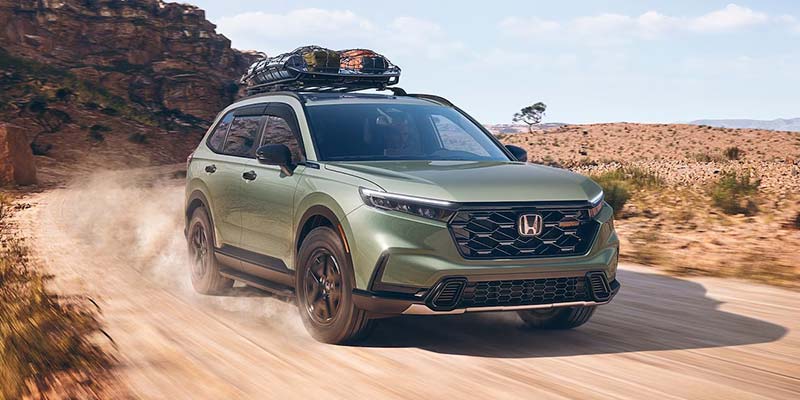
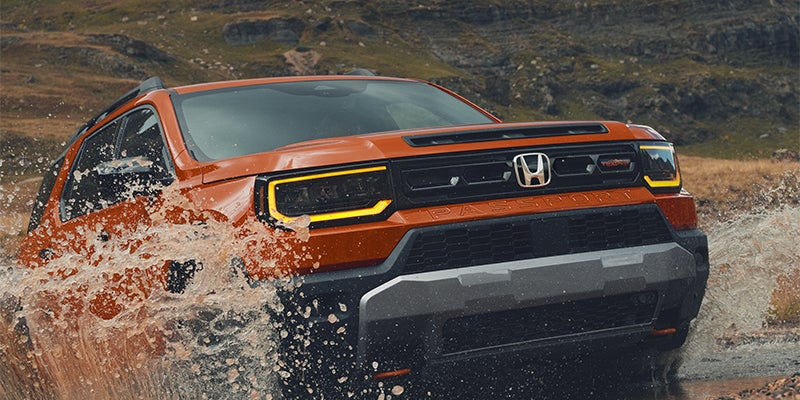
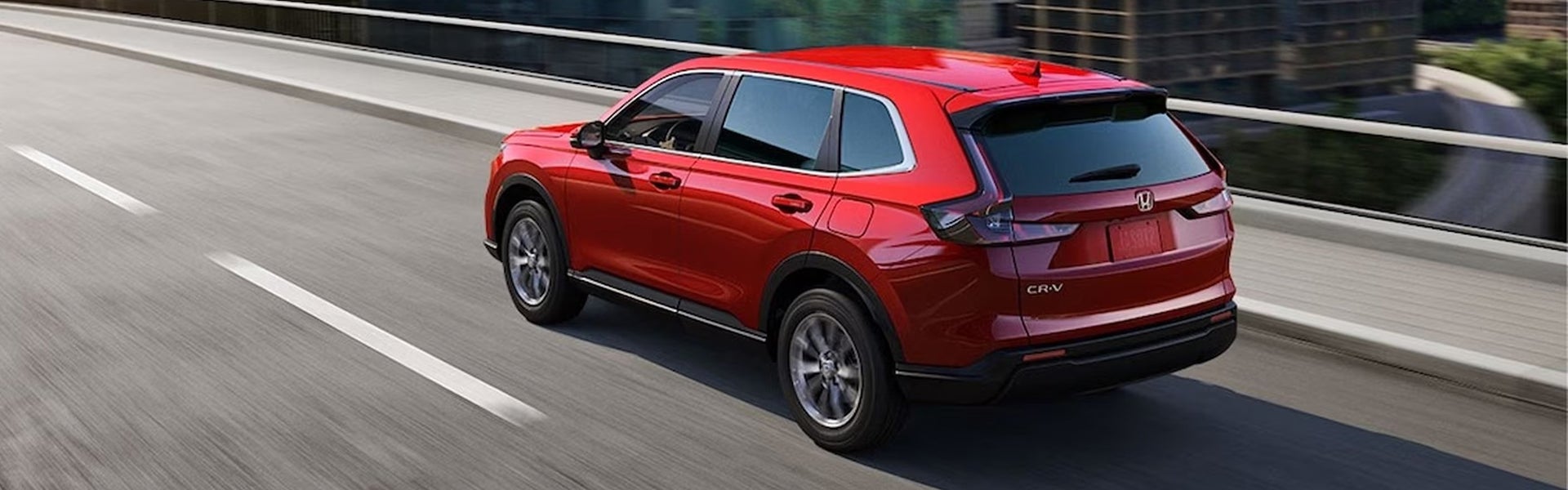
Fall in Northeast Mississippi offers plenty of reasons to get out of the house. From football weekends and family gatherings to scenic drives and outdoor activities, the season often means more passengers, more luggage, and more opportunities to travel. If you're shopping for a Honda SUV in Tupelo, three models worth comparing are the Honda CR-V, Honda Passport, and Honda Pilot. Each offers a different combination of size, seating, and everyday versatility. The best choice depends on your household, how much cargo you carry, and what you expect from your next vehicle. Honda CR-V: Everyday Versatility The Honda CR-V is a compact SUV that can suit individuals, couples, and smaller families looking for everyday practicality. Its two-row layout provides space for passengers and cargo without moving into a larger SUV category. That can make it a useful option for commuting, school drop-offs, grocery shopping, and weekend drives around Tupelo. Why Consider the CR-V? Daily convenience: A compact SUV may be easier to manage in parking lots, neighborhood streets, and busy shopping areas. Flexible cargo space: Groceries, backpacks, overnight bags, and seasonal supplies all compete for room. Consider how the CR-V's cargo area fits your regular needs. Everyday comfort: Compare available seating, connectivity, and convenience features across the trims you're considering. The CR-V may be a good starting point if you don't regularly need a third row and want a versatile vehicle for everyday driving. Honda Passport: Space for Active Weekends The Honda Passport is a midsize SUV with two-row seating, offering another option for shoppers who want additional space without requiring three rows. It may appeal to drivers who frequently carry outdoor equipment, travel with friends, or want a vehicle suited to both daily routines and weekend activities. Why Consider the Passport? Two-row flexibility: The Passport provides a different balance of passenger and cargo space than a compact SUV. Evaluate the dimensions and storage area of the specific model you're considering. Weekend versatility: If your plans involve coolers, sports equipment, luggage, or outdoor gear, compare how the Passport accommodates your usual cargo. Available features: Equipment, technology, and capability vary by model year and trim. Review individual vehicles to determine which features meet your needs. The Passport is worth exploring if you want a midsize SUV but don't need a third row for regular passenger transportation. Honda Pilot: Room for Growing Families The Honda Pilot is a three-row SUV designed for households that need additional passenger seating. If your schedule includes school activities, sports practices, family visits, and trips with several passengers, the Pilot may offer the flexibility you need. Why Consider the Pilot? Three-row seating: Additional seating can make it easier to transport children, relatives, or friends in one vehicle. Family travel flexibility: Consider how much cargo space remains when the third row is in use and whether it accommodates your luggage and equipment. Room for changing needs: If your household is growing or your passenger requirements are changing, a three-row SUV may provide flexibility for the coming years. Before choosing a Pilot, check how easily passengers can access the rear rows and whether the cargo area works with your preferred seating arrangement. CR-V vs. Passport vs. Pilot: Which Fits Your Routine? Use these general differences as a starting point: Honda CR-V: A compact, two-row SUV for commuting, everyday errands, and smaller households. Honda Passport: A midsize, two-row SUV for shoppers who want additional space for passengers and cargo. Honda Pilot: A three-row SUV for families who regularly need more passenger seating. Your final decision should account for more than vehicle size. Consider your typical passenger count, cargo needs, parking situation, driving habits, and preferred features. Model-year updates and available equipment can also affect the comparison, so verify the specifications of the individual vehicles you're shopping for. Questions to Ask Before Buying a Honda SUV Before visiting the dealership, consider how you use your current vehicle. How often do you travel with the entire family? Do you regularly carry sports equipment or luggage? Would a third row be useful every week, or only occasionally? How much time do you spend commuting around Tupelo? During a test drive, evaluate visibility, seating comfort, cargo access, and the driving experience. Bring family members along if possible so everyone can assess the available space. Also compare the available technology and safety features on each model and trim rather than assuming every vehicle includes the same equipment. Explore Honda SUVs at House of Honda The CR-V, Passport, and Pilot each offer a different approach to SUV ownership. Comparing their size, seating, cargo flexibility, and available features can help you identify the model that best fits your lifestyle. House of Honda serves drivers in Tupelo and surrounding Northeast Mississippi communities. Visit House of Honda to explore available inventory and learn more about Honda SUVs. Whether you're looking for a practical daily driver, a versatile two-row SUV, or additional space for family road trips, start with the Honda that best matches your everyday needs.